Catherine Edley [00:00:00]:
What if I told you that the success of your entire Christmas season could come down to the plans you’re making right now?
Rosie Davis Smith [00:00:05]:
PR can lead to some great sales at Christmas time.
Catherine Edley [00:00:09]:
The brands that win in Q4 aren’t the ones that post the most or spend the most. They’re the ones with a smart joined up marketing plan that cuts through the noise when customers are ready to buy.
Emily Hansen [00:00:19]:
The lot of trends are just a voiceover, maybe a text overlay.
Catherine Edley [00:00:23]:
In today’s episode, I’m sharing how you can create a powerful retail marketing plan for Peak 2025 with insights from four brilliant exper who know exactly what works during the busiest time of year. Welcome to the Resilient Retail Game Plan. I’m Catherine Edley and in the next few minutes you’re about to get powerful real world retail strategies from insights shared both from my guests and myself, backed up by my 25 years in the retail industry. Keep listening to learn how to grow a thriving, profitable product business. Let’s jump in with this latest episode. In this episode I’ll walk you through the four pillars of a strong Q4 marketing strategy. PR, email, paid advertising Listen to the Resilient Retail Game Plan podcast available on all podcast platforms now and social media. Hey, Follow me on Insta with advice from experts who know how to get results.
Catherine Edley [00:01:21]:
We’ll cover how to build your plan, where to focus your energy, and how to pull everything together into a cohesive strategy. Peak season isn’t just busy, it’s make or break. For many retailers. The competition for attention is fierce. Ad costs spike and customers are flooded with choices. Without a plan, it’s all too easy to end up scrambling, reacting rather than executing. A strong Q4 plan means you can map out your campaigns around key dates from Black Friday and Cyber Monday to postal cutoff times, and align your stock messaging and promotions across every channel. It gives you time to build anticipation, create irresistible content and avoid last minute panic.
Catherine Edley [00:02:00]:
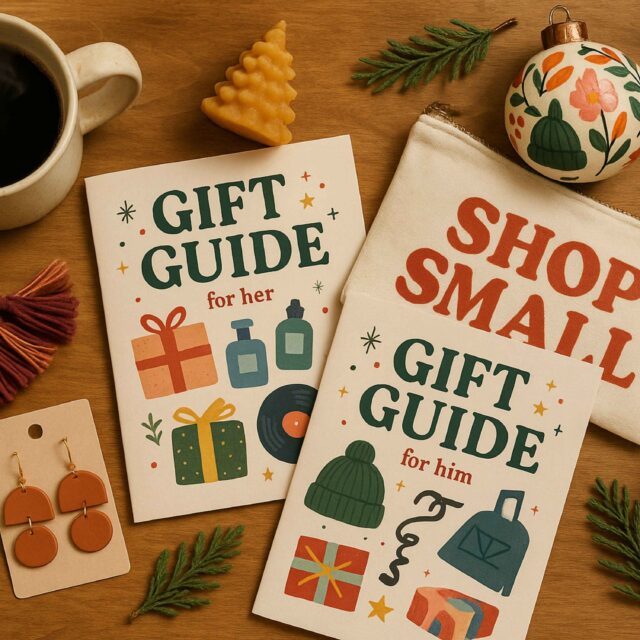
So where do you start? Well, let’s begin with pr, a powerful way to build trust and get your products in front of new customers. Rosie Davis Smith from PR Dispatch is an absolute expert when it comes to getting small businesses featured in the press. Something that’s particularly powerful in Q4 when gift guides can drive serious traffic and credibility. Rosie the holidays are prime time for gift guides and press coverage. How can small businesses without much PR experience pitch themselves for inclusion?
Rosie Davis Smith [00:02:31]:
The really great news is that over 30,000 products are featured in both print and online in the UK press on the lead up to Christmas, so loads of opportunity to get your small business featured. If you’ve never done PR before, Christmas Gift guides are a great way to start. They are looking for really great giftable suggestions to include. So the first thing to do is to figure out which publications you should be pitching to. Now one thing to remember here is Christmas Gift Guides. They will cover content that they wouldn’t usually cover any other time of year. So for example, Country Living will include gifts for kids and Stylist will include gifts for men. So I always say cast your net as far and as wide as you possibly can when it comes to Christmas gifts gift guides.
Rosie Davis Smith [00:03:20]:
The next thing is the contacts. This is something we can definitely help you with at PR Dispatch. You’re welcome to go and have a look, but making sure you are contacting the right person that is doing that Christmas Gift guide is crucial. It’s a waste of your time sending it to the wrong person or sending it to a generic inbox. And finally, the pitch. So Christmas gift guide pitches are really simple kind of paragraph on who you are, what your brand does, why it’s different that USP and then product suggestions. Now when you’re thinking about which products to pitch in, I really think having a good look at your collection and picking five to 10 products that someone would give to someone else is a really good exercise. So that might be because of the price point it sits at.
Rosie Davis Smith [00:04:03]:
It might be because of the packaging that it comes in. Maybe it’s a really giftable packaging. You know, it’s a gift soap set or it’s a hamper, or it might be because of what the product is. So the product is actually something that you could really easily give to someone else. For example, an engraved passport case if you like. They’re the three things you should do to start pitching to the Christmas Gift Guide press.
Catherine Edley [00:04:25]:
Can you share some of the results that might be possible with PR at Christmas?
Rosie Davis Smith [00:04:28]:
Obviously, there is an increased number of products featured in gift guides on the lead up to Christmas. We had a member last year that was featured in the Times both in print and online, and he said that the sales off the back of that one piece was better than the whole of Christmas and the previous year. So PR can lead to some great sales at Christmas time. But it’s not all about sales. It’s about credibility. It’s about awareness. It’s about trust. It’s about funneling that coverage through your marketing so into your social media and into your email newsletters, highlighting products that have been featured and also sending it to stockists.
Rosie Davis Smith [00:05:08]:
If you do get featured in a Christmas gift guide. Alerting that stockist that the product that they start has been featured and would they like to reorder is a great way to maximize any coverage that you are securing.
Catherine Edley [00:05:20]:
If a small business hasn’t done much PR before Q4, is it too late to gain some traction? What last minute PR opportunities or quick collaboration ideas might still be achievable during the holiday season to drum up a bit of extra buzz?
Rosie Davis Smith [00:05:34]:
So your lonely Christmas gift guides do start compiling in July and through August. Short lead are September and October, but there are still online opportunities in Q4 so if you are starting PR and Q4 you haven’t missed out. We always recommend that you do start in Q3 to make the most of the Christmas gift guide opportunities that they are still compiling online gift guides. And with online gift guides they normally run multiple gift guides so they won’t just do one. We’ve seen 3040 on one platform for example, so it’s not too late to get some last minute Christmas wins if you do start in Q4.
Catherine Edley [00:06:12]:
I love Rosie’s point about PR being more than just a one hit tactic. Think of press mentions as content you can amplify, share on social, add to your website and build trust with your audience. From PR and brand awareness. Let’s talk about how to keep that audience engaged through email marketing. Katie Farrell is an email consultant and she’s all about helping product businesses use email strategically and in Q4 this channel is a real revenue driver. Katie, if people don’t have all of their flows set up, what would you prioritize getting done ahead of Q4?
Katie Farrell [00:06:49]:
Just have as much done kind of as early as you can just in case you get too busy. It would be a real famous email was the thing that like got pushed to the bottom. If that’s the thing that’s like bringing in your sales during the season. So if we can get as many kind of campaigns prior prep as possible then that will definitely help later. If you feel a little bit time poor, you know that okay, I’ve already got my campaigns more or less ready to go and they can just be rolled out a little bit easier.
Catherine Edley [00:07:19]:
Katie, what are some of your top tips for planning and executing Q4 effectively from an email marketing point of view?
Katie Farrell [00:07:26]:
I know people don’t want to hear this. When it comes to planning your email campaigns for Q4 you need to start early. This is not a turn emails out on a whim on a Sunday night or even a Sunday morning when you should have had this going out Already. I usually start in August just because I have a plan. It’s kind of like a well choreographed dance at this point. It’s just a case of refreshing and rolling out the plan that’s already made. So start early. That would be my kind of top tip.
Katie Farrell [00:08:05]:
Ideally in August, just because it feels like school starts back quite late this year. And, you know, by the time you have like a week or two getting back into routine, it’s basically October. And then you’re like, oh, and now it’s Q4 and there’s so many other things to do in September. Organizing your stock, making sure that’s good going in if you’re a maker or creator, you know, making the things and making sure you’ve got enough stock ready to sell, that sort of thing. So if you can get ahead with your email marketing, that’s like, ideal when it comes to actually planning. When I open our kind of planning template, I tend to actually start in December and, like, work my way back. I’ll do a big brain dump of, like, these are all the emails that worked really well last year. So I’ll go through, like, what did we send last year? What did really well? What had a lot of clicks? What type of, like, content did well on Instagram? What kind of angles should we repeat? Then I’ll do a brain dump of, like, what’s different this year? Have I got new things coming in? You know, am I launching a different product? Am I, like, kind of opening my Christmas shop on a certain day? Like, kind of what’s happening with my business? And then what I’ll do is open up an actual, like, planning template.
Katie Farrell [00:09:21]:
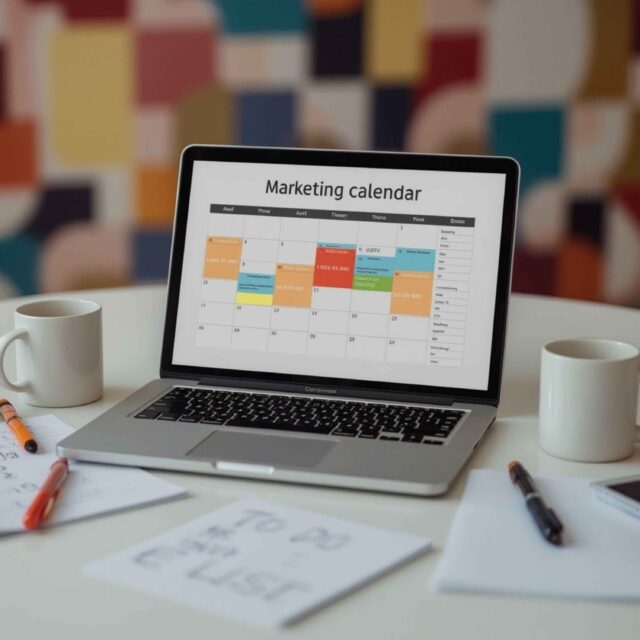
So whether that’s like a calendar or we do it on a Google Sheet spreadsheet template, I’ll take a look at, like, Royal Mail’s website of, like, when are their last posting dates? Which you can usually kind of tell as well on the calendar if they haven’t announced them yet, because usually it’s a little bit later in the season. But you can kind of gauge based on previous years, when those posting dates are going to be. But also, like, when do you want to sign off for Christmas? When do you want your last post run to be? And I usually start with that and, like, work my way back. So if you know your last post date is going to be on, like the Friday before Christmas, for example, then you need to think about, like, what is my leave time? Like, if you have your stock already and you’re just dispatching, then, you know, you can put in an email kind of 24 hours before or 48 hours before saying like, the sleigh is about to leave, don’t miss the last run kind of thing. So you need an email then. And then you need an email like a week before. And then you need your gift guides. Then you’ve got Black Friday.
Katie Farrell [00:10:21]:
Then you’ll have like Christmas collection launching. So I usually just work backwards and then take a look at my brain dump list at the same time being like, where does this make sense to fit in? Where does this make sense? And then I identify all my gaps in my calendar and that’s when I’m like, great. Now let’s come up with like new ideas. What types of content worked well during the rest of the year? Can we repeat those and put like a sensitive spin on them or are we going to run a competition? That kind of thing. And then we kind of fill the gap. So yeah, I guess in terms of planning, I’d start at the end and just work my way back.
Catherine Edley [00:10:56]:
Email marketing doesn’t have to be complicated, but it does need to be consistent. Just like Katie says, if you get your welcome flow and abandoned cart email set up, you’ll keep converting even when you’re not manually sending campaigns. Now let’s look at how you can amplify your reach with paid advertising. Narada McCoy from Bravada UK knows how to make ad budgets work harder than and his advice for Q4 is all about timing and creativity. So, Narada, should small businesses start ads early or save budget for key moments?
Narada McCoy [00:11:30]:
My recommendation for small business is not to start ads early, but save that budget because you need to learn about your customer. You need to learn about your organic first. And then when you learn a bit about that and the kind of customers that buy from you, naturally you can leverage that data to then start looking at ads. If you start with ads early, you’re building a business that is reliant on ads. Algorithms change, platforms change. You don’t want to be beholden to those. So I’d say budgets for key moments, things like Q4, summer sale, new product launches, but not straight out the gate.
Catherine Edley [00:12:04]:
What’s the best way to budget for ads in Q4?
Narada McCoy [00:12:07]:
There’s two approaches I would take. You’ve got one where you can focus and ensure that you’ve got that even split across October, November, December with slightly less than October because we know when we hit November you’ve got Black Friday, December’s gifting period. That’s approach I’d like to take if I want to keep my margins Intact. We know if you’re doing heavy discounting in Black Friday, there’s a situation where you might sell more but your margins are not as good. So typically, if I’m working with a business where the margins are really important, I put a lot of budget in December, a lot of it in November and a bit in October. A couple of things to be mindful of, cut off dates from delivery. So December is actually about 70% of a month. And November, the cost of your ads is higher.
Narada McCoy [00:12:49]:
So you need to think about what you can do with the budget. With that, your cost per click goes up. The fighting for more attention because everyone’s running ads during Black Friday, you’ve really got to think about it from a week to week basis. It’s not about trying to do a flat budget. It’s about thinking about those key periods where customers are looking for you most and acting accordingly, but also preparing for those peaks. We know Black Friday is going to be a peak. You can go two ways. You can either spend more to stand out in that period or you can pull back budget because it becomes a bit of a race to the bottom where whoever’s got the most money kind of wins.
Catherine Edley [00:13:22]:
What’s working right now on paid social for product based businesses?
Narada McCoy [00:13:26]:
The biggest thing I’ve seen in paid social when we talk About Meta and TikTok is creative diversity. To give you a bit more context on that, it’s the way the platform’s changed over the last three or four years. You can no longer target customers as well as you could explicitly just looking at audiences, what they’re interested in because those targeting is going away. We’re going to a place where your creative in fact does the targeting. So for example, if you’ve got creative, say call it a UGC ad that has a lot of Gen Z people in it or is very Gen Z leaning. You’re going to target Gen Z people that even if you target a broad audience. So you need to allow your creative to target your customer rather than using the audience to target. The best way to get performance doing this is splitting your ads into things we call content pillars where you are having creative diversity across the board.
Narada McCoy [00:14:14]:
Where one of your pillars might be campaign imagery or E Comm imagery. So you know that high production imagery. Run ads like that, but also run ads that are UGC where you got customers who are trying on your product, showing their product, showing reviews of the product that is one of your other pillars. Another pillar could be founder content where you’re talking about your journey, the Business how it came about, some of the new products as well. Already you’ve got three pillars there. Sometimes the fourth pillar is looking at how you can use graphic design, maybe things like AI even to build different types of engaging ads. So with those four different pillars, you’ve got four very distinct and different types of ads that will target different customers, giving you more opportunities to generate revenue. But there’s also creative volume.
Narada McCoy [00:14:55]:
What we suggest most of our businesses we work with is running 10 ads every two weeks, so that’s 20 ads in a month and trying to hit all four of those pillars, whether it’s UGC, AI or edited ads, E comm or high production ads, and founder content, but having that volume within it as well, that’s what’s going to keep you ahead of the algorithm, keep you in front of customers because you never know what’s really going to work. That goes across Meta and TikTok.
Catherine Edley [00:15:20]:
I think Nurada’s point about creative diversity is gold. It’s no longer just about targeting the right audience. Your creative has to speak to your ideal customer as well as. So finally, let’s talk about social, the glue that connects all of these efforts. Emily Hansen from Emma Lilly is brilliant at helping small businesses create social content that actually connects. And her approach for Q4 is all about planning and storytelling. So Emily, the holiday season means social feeds get flooded with seasonal content for a small brand on Instagram or TikTok with limited resources. What types of organic posts have you seen really engage followers during Q4? Any holiday themed content ideas that work well without a big budget or a full production team behind them?
Emily Hansen [00:16:08]:
The first one will be unboxing. So if you’ve got a product that you can really carefully unwrap on screen, if you can get a good mic so you get the ASMR in there but really get your customer excited about what’s going to be in the box. You’d be surprised how much engagement that gets, especially when it’s done slowly so it keeps the watch time up. Second would be looking at your customers pain points. Now that seems like quite a general tip, but I mean really neat down. So we work with family brands a lot so we don’t just say are you looking for a great gift guide for mum? Because isn’t everybody? And it’s, you know, it’s really generic. So I would look at the really specific scenarios that your ideal customer is going to be in. For example, narrow down on toddler tantrums that are likely going to pop up in the change of routines during the Christmas period.
Emily Hansen [00:16:56]:
And I might write some kind of hook that directly connects the parent who is flustered, is tired, and maybe even a really niche example of a toddler tantrum. I have lots of them because I’ve got toddlers. You can look at a really specific pain point that you think might be extremely neat. Actually, you’ll find is really relevant to your audience and then narrow down that and then how your product can answer the issue. And then finally ugc. Now a name brings a price tag, but it’s substantially lower than the lack of influencer content. You can even do UGC style if you’re happy as the business owner or founder to be in the camera in a shot. But if you can get your product in situ so that your customer can see where it would fit into their life, that’s also really effective.
Catherine Edley [00:17:41]:
Consistency is tough when you’re a one person marketing team during the holiday rush. What are some tips or hacks to maintain a steady presence throughout Q4 when you’re busy fulfilling orders and doing everything else without burning out or dropping off the radar?
Emily Hansen [00:17:54]:
Sit down. You can get a few reels plans to go out each week across the month and then you have a filming day where you try and film them all and just get them all done and schedule them if you can. You could also work on some B roll. So it depends how you like to work your organic social, but if you feature a lot on it, then if you can fill the role of you working throughout the day doing different business activities and then you can use that for lots of different reels with voiceovers, putting them into different trends, all those sorts of things. So it’s a combination of priming and just setting one day aside to get a bulk of stuff filmed.
Catherine Edley [00:18:31]:
And finally Emily, what are your top tips for creating a social media plan for Q4 that balances preparing in advance with taking advantage of latest trends?
Emily Hansen [00:18:40]:
You want to match a combination of a backlog of content alongside having to jump on some last minute trends. And that’s when having lots of B roll can be really helpful because a lot of trends are just a voiceover, maybe a text overlay with kind of out and about footage. So if you have B roll film, that can be really helpful for getting advantage of latest trends without requiring loads of extra filming. So that’s why having a filming day comes in really handy because you’ve got a backlog to work from if you can plan a bulk of content that matches all your content colors and then you have a backlog of b roll, then you can take advantage of trends without taking up too much extra time having to stop the general running of your business to film, you can use what you’ve already got.
Catherine Edley [00:19:26]:
Emily’s reminder to plan content days is so useful. Having B roll ready means you can jump on trends without scrambling. And remember, Q4 is all about showing customers how your products solve real problems or bring joy during the busy season. So how does it all fit together? PR builds trust and gets new eyes on your products. Email nurtures those leads and converts them. Paid ads amplify your reach at the right time, and social media keeps your brand front of mind, telling your story and creating excitement. So how do you actually create a plan? Well, you need to start by looking at your key dates, things like the postal cutoffs, Black Friday, Cyber Monday, Small Business Saturday. Make a decision about what you want to participate in and then plan your campaigns backwards.
Catherine Edley [00:20:14]:
Remember that the brands that succeed in Q4 don’t just do a bit of everything. They connect their channels so that every email, ad, post and PR mention works together to tell one clear story. I hope this episode has given you some inspiration and a structure to start building your Q4 plan.
Katie Farrell [00:20:32]:
Plan.
Catherine Edley [00:20:32]:
If you found this useful, share it with a fellow small business owner or drop me a message on Instagram Resilient Retail Club I’d love to Hear what your Q4 plans look like. And don’t forget to like, subscribe and follow the podcast to hear about each new episode every Thursday morning. See you next week.
 Skip to content