Catherine Edley [00:00:02]:
Loyalty isn’t just about discounts anymore. It’s about building real connections.
Charlie Casey [00:00:06]:
See loyalty as like it’s, it’s a strategy, it’s a tool. But really what brands need to do is they need to develop deep, meaningful relationships with their shoppers.
Catherine Edley [00:00:16]:
In today’s episode, I sit down with Charlie Casey, CEO of software company Loyalty lion, to dig into what loyalty looks like in 2025.
Charlie Casey [00:00:25]:
It shows them that you understand who, who they are, what they like, that you want them to be part of your journey.
Catherine Edley [00:00:31]:
From why experiences now matter as much as money, off to the simple ways brands can recognize and reward their best customers. Charlie shares data, stories and practical steps you can take to turn repeat buyers into lifelong fans. If you’ve ever wondered how to balance short term sales with long term loyalty, this one’s for you. So Charlie, we are talking all about loyalty today. So in 2025 then what do you think? Or do you feel like there have been shifts in how customers define loyalty and think about brand loyalty?
Charlie Casey [00:01:07]:
Absolutely. In 2025 it’s 100% all about experiences as well as discounts. Way back Lord’s programs were just all about discounts, but now they’re involving experiences and we’ve got lots of data to back that up. Our research shows that almost 90% of consumers want a financial reward. So nothing’s changed. On the discount side, it’s still an important benefit, it likely always will be. But 85% say the same about free shipping now and free product Rewards at around 70% want early access to sales and early access to new products. So it’s clear that shoppers don’t just want discounts anymore, want a Lord’s program to offer experiences that can help connect them with the brand.
Charlie Casey [00:01:52]:
Whether that’s simple things like being the first to know about a new drop or more advanced initiatives like in store events. And I’ve got a really nice example here. Never fully Dressed, which is a female found founded fashion brand that uses Lord to earn. They use the Lord program to invite some of their top tier customers to a concert. They all came to the. Yes, really neat. So they all came to the venue in like never fully dressed branded taxis, all wearing a never fully dressed outfit. And it was all done to thank them and make them feel special and part of the community.
Charlie Casey [00:02:26]:
One that I really like, we mentioned them before was Represent Clothing. They got booming store in LA and they’ve got a Lords program, it’s called Prestige and it’s literally at the heart of everything they do. So it’s really well connected. They came to Lords one in a bit of a panic. They needed to change Lords program provider in a matter of weeks because they had a new product drop. And the reason that was important is because product drops are literally at the crux of their prestige program. It’s what makes it work. It’s all about exclusivity and access to those releases.
Charlie Casey [00:03:00]:
So the way it works is like the VIP tiers give members access to products that non members can rarely get before they sell out and the tiers allow them to offer those all important like experiences. We’ve just talked about secret promo code and the opportunities to join forces with actually the business getting organ discussion groups. So you can see they’ve got like this tier program. It’s all about exclusivity, it’s all about drops. It’s fully integrated in store as well. So giving members like reasons to shop in store like events and Q jumps. And they’ve also got this resale platform with secondhand items now so more environmentally conscious and they can earn points on that. So I just think it’s a really good example of a Lord’s program that across the whole company strategy it’s taking it’s forward thinking because it’s looking at the environmental aspect.
Charlie Casey [00:03:54]:
It’s got the experiential element to it or exclusivity to it and it drives a huge percentage of the annual revenue 20%.
Catherine Edley [00:04:02]:
Oh wow.
Charlie Casey [00:04:02]:
That yeah. Of the annual revenue comes from the stores program and the members have a four times higher ltv. I’ve got one more. Just think of which is Inky. It’s called the Inkey list and they have this thing called Inky Insiders week. So it’s really cool idea. It runs once a year, seven days just for the insiders which is the launch program members and they’ve got exclusive offers, prizes and perks. It’s got some discounts but it’s also got early access to new products, chances to win back the cost of your order which I thought was.
Catherine Edley [00:04:41]:
Oh that’s fun. Yeah, yeah. So they do it, they, they really hype it. Then it’s a marketing, an additional sort of campaign in their marketing calendar. But it’s only for their VIP list.
Charlie Casey [00:04:53]:
Exactly.
Catherine Edley [00:04:53]:
Yeah, yeah, yeah, yeah. I’ve seen that somebody a company called John’s Crazy socks in the U.S. they did what I really liked because it was a US brand and obviously Black Friday is in Thanksgiving week. So instead of doing Black Friday what they did was. They did. It was like thank giving thanks to their loyal customers. And they turned the whole of Thanksgiving week into this like it sounds something similar like giving back to their, to the most loyal customers. Which I thought was a really nice spin on it.
Catherine Edley [00:05:23]:
And also because you know, in the UK we’re so used to Black Friday, but actually in the US it’s, that is, you know, Thanksgiving is.
Charlie Casey [00:05:30]:
That’s where it came from.
Catherine Edley [00:05:31]:
Yeah, yeah, yeah, No, I like that.
Charlie Casey [00:05:34]:
That works well.
Catherine Edley [00:05:35]:
And so how, when, so they, so plan everything around it and then is it also, I guess an opportunity to drive people to their, to their list, to their, to their program?
Charlie Casey [00:05:46]:
You’re right. Actually they get, it’s almost a 400% increase in, in signups to the loyalty program in that week because they’re still, they’re still going to be acquiring new customers and then it’s just going to be advertised on, on the store. Also they’ll have a whole bunch of customers who haven’t created accounts with them. And obviously the marketing team will spread the message and people come and think, okay, right, actually now’s the time that I create an account and build a deeper relationship with you because this insider swing sounds pretty cool.
Catherine Edley [00:06:18]:
I think this is the, the thing I find really fascinating about loyalty and I’m, I’m glad you mentioned the difference between the discounts and the experiences is that I think sometimes brands forget the benefits of just saying, of just of saying thank you, of recognizing and acknowledging repeat purchases. Because I do think I’d love to know what your thoughts are about this. I mean it’s amazing. I mean that sounds brilliant. I love that, that, that example. So never fully just sending people to a concert in branded tax season. I mean how amazing would you feel to, to be picked to be part of that? But I also think just even the, the fact of being recognized as more than just another customer, I don’t know how what you think about that.
Charlie Casey [00:07:03]:
No, absolutely. So we, we see loyalty as like it’s, it’s a strategy, it’s a tool. But really what brands need to do is they need to develop deep, meaningful relationships with their shoppers. And this is this loyalty and loyalty programs are one method to enable that. And in particular those experiences like you’re building a bond with your customers that shows them that then it’s not just a transaction, a face source transaction. It shows them that you understand who they are, what they like, that you want them to be part of your journey. And that’s what’s differentiating brands these days. Like you’ve obviously got the fast fashion brands coming out of China and they’re all out cost and low cost.
Charlie Casey [00:07:47]:
But if you. On the other end of the scale, the brands who choose law to learn, they’re trying to build a brand, a community, a relationship and only through using the Lords program and weaving in those experiences do they actually get to talk to the customer as a person and appeal to the emotional side. So absolutely, yes.
Catherine Edley [00:08:06]:
Yeah, yeah, for sure. And so you said the 90% of customers do still want though the kind of financial.
Charlie Casey [00:08:14]:
It’s quite funny actually. When we first started Loyaltymind, which was a long time ago, over 10 years ago, I was adamant that we weren’t going to include discounts because obviously we provide the software that powers the Lord’s program and, and we make it really easy to create the reward types. And I said at this point it was just two of us. Like I said, it’s over 10 years ago. I said to my technical co founder, I don’t want discounts, I only want like experiential rewards. I think this is how it should be. I think it should all about be about exclusivity and making people feel special. It should be about status and elevating beyond discounts.
Charlie Casey [00:08:53]:
And then literally every single brand that we talked with said no, we need discounts. I was like, okay, fine, you can have your discounts, but please let’s get to these experiences.
Catherine Edley [00:09:04]:
So, and, and do you feel like the experience element is, you said that just keeps growing, that just keeps going up, the number of people who want that as well?
Charlie Casey [00:09:12]:
Yeah, absolutely it does. And brands are being really creative with it as well. And it doesn’t just happen, it can’t, can’t always just be a concert. It can be related to products as well. So it doesn’t just have to be money off, like with all the discount then there’s kind of like a stage in between where you stock that you can use for rewards or like I said, free shipping as well or exclusive access to something. Doesn’t have to always be as extreme as a concert. I think brand customers really enjoy being involved in the brand journey. So like participating in like design sessions as well.
Charlie Casey [00:09:45]:
I think that they really enjoy those sorts of things. Or if a new store opens, being invited to the opening of the store.
Catherine Edley [00:09:52]:
And what do you think about just simply kind of sharing their opinion, getting asked their opinion?
Charlie Casey [00:09:58]:
Yeah. One of the things that we’ve become aware of is actually only the data side of things. Obviously consumers are more and more careful with what data they share. But actually if you use a law to program 78% of consumers say they would complete a quiz to earn points as 70% said they would sign up for a newsletter. So these are all ways you can use a lot of program to get consumers to share their opinion and they’re willing to do that because they’re earning some points and reward in return which then they can use for something else.
Catherine Edley [00:10:33]:
Yeah, yeah, for sure. So I mean the benefit obviously, you know you’ve 10 years of running loyalty line, providing this data, providing this service to brands when you. So obviously you’ve got the brilliant bird’s eye view of being able to kind of oversee everything that brands are doing in the loyalty space, which is such a powerful insight. But what mistakes do you think that people or brands are still making when they’re trying to build loyalty?
Charlie Casey [00:11:01]:
Good question. What is actually interesting about loyalty in our Lord’s programs is as a concept they’ve been around for decades, but traditionally offline. So in the online world actually it’s only brands who are above 10 million where you’re seeing high levels of adoption. Now probably about 40% of stores on Shopify above 10 million GMV have a Lords program and below that it’s a smaller percentage. But what’s interesting is that started off, that was zero percent when we first started the adoption is, is really picking up and it’s at a tipping point. But the mistake that those entering it or some of those doing it are still making is thinking that loyalty is fluffy and it can’t be measured and it absolutely can be and should be. Like you are spending money on this, you should be able to measure it. So it’s the same as any other marketing activity.
Charlie Casey [00:11:59]:
You should always be questioning the ROI of the Lords program, otherwise it’s truly impossible to know how much you can invest in your program and also what you need to do to optimize it. And like you said, we have this prototype view so it’s something that we are particularly proud of. At Loyal to Learn we can give brands visibility into loyalty attributed revenue. They don’t have to do the list, we do it all for them in dashboards and whatnot. And we’ll show them like the repeat purchases that come from those redeeming members. We’ll show them how those redeeming members are doing referrals, how they interact with emails and sms. And we’ve got some AI powered insights that go even deeper because what we found is marketers are time poor, they don’t want to interpret all these dashboards. So we can use our AI powered insights to interpret the charts for them and produce like a bit of a narrative to say like this is what your pro program has delivered in the last three months, six months, 12 months, so they can just read off the script and have the charts this go on.
Charlie Casey [00:12:59]:
I just meant like this makes life a lot easier for a marketeer because obviously they’re going to have those hard conversations with the finance team and they can just go to the finance team and say, look, concrete evidence this is the impact that the law program is driving. Then they can have another conversation and say, look, can we have more money to invest in experiential rewards?
Catherine Edley [00:13:17]:
Yeah, I mean, it’s wild to me that anyone would ever consider loyalty to be fluffy, to be honest. Because the thing that I the one of the points that I’m often trying to ram home to people about building their businesses is that when you talk to people about growing their sales, often what they’re talking about is getting more people to come, getting cold traffic, effectively getting more eyes on the business. And you talk to a lot of businesses and they’ll say, oh, we need to grow our presence, we need to grow our audience. And I think for me what the big conceptual shift that really helps people is when they realize, well, actually the money you spend on treating your best customers is just generally the ROI I’m imagining must be so much greater than on acquiring cold customers. Because your customers that you’ve already bought from you are, are the ones who are going to advocate for you, are the ones who are going to spend more, return less, recommend you to their friends that you mentioned, you know, refer out with codes and things like that. So it just makes so much sense to me to spend that money and time and effort on that warm part of your audience as compared to trying to bring in people from the outside. And I’m sure you must see the same from your data.
Charlie Casey [00:14:36]:
Yeah, it’s absolutely true. What we see is brands go on a bit of a journey. They typically start life in customer acquisition mode, spend a lot of money on customers, Google and Meta and et cetera, to acquire customers to their store. And it’s really easy for them to measure and to prove that they brought in customers. So everyone gets a bit hooked on that and they. But they should never stop. To be honest, you still need to be bringing in new customers, but there comes a point where they start to look at the return on that investment. Maybe the space that they’re in gets more competitive, maybe that the price of getting customers in is increases because they’ve already attracted the Ones who were most readily willing to come to their store via paid ad.
Charlie Casey [00:15:21]:
So the cost to acquire customers goes up and then they see that equation tip, like the customer acquisition cost and a lifetime value, they don’t quite make as much sense as they did initially. So then they move into the other side of the equation, which is lifetime value, which is where we sit, loyalty and retention. And they say, okay, right, if we can increase the lifetime value, then we can go back and spend more on ads and continue to acquire customers. So it’s a bit of a journey that a brand goes and we typically see it’s after they’ve been in business for two years that they go, ah, now I need to increase my lifetime value. Then they look at loyalty and retention strategies, loyalty programs, and then they go back and because they’ve increased their ltv, now they can outbid all their competitors on ads. So they, they both work hand in hand.
Catherine Edley [00:16:08]:
Yeah, yeah, that’s such a good way of looking at it. So drive your lifetime value and then your cost of acquisition, because it’s all about your cost of acquisition being lower than your customer lifetime value or I would argue your customer lifetime profit is what you really want. No, that’s such a great. Yeah. And that, so you’re seeing that, you’re seeing that pattern that it’s basically two years, people are like, right, let’s get the customers in. And then almost the light bulb goes off two years in where they say, oh, actually what we really need to do is you move somebody from being from, you know, one order on average to two orders on average and it can have a transformative impact on your profit.
Charlie Casey [00:16:44]:
Yep, absolutely. And then further down that journey, if we come back to you asked about mistakes. Well, one of the things that a brand does after they’ve adopted loyalty and they’ve implemented a loyalty strategy and they do in their normal discounting as they mature in that they start to think to themselves, oh, what else? And it’s all about having a launch program integrated across the whole tech stack, as I mentioned, like SMS and your mobile app and your subscription. But the thing I like the most is when they integrate it with their product strategy. And that wouldn’t necessarily comes of, mind you wouldn’t think, oh, Lords program product strategy. But they work really well together and some of the ways to make them work is early access to products as they launch, obviously running double point promotions on products that potentially you’re overstocked on, or giving exclusive access to products that potentially have a nice high gross margin on them. Tying your loyalty tiers to new product drops. I’ve seen this work really effectively.
Charlie Casey [00:17:47]:
It’s very cool.
Catherine Edley [00:17:48]:
So explain that in a little bit more detail. So you’re talking about if you’ve got a certain level, you get access on a certain day, Is that what you’re saying?
Charlie Casey [00:17:58]:
So if you’ve got a new product job, so something’s coming into the store and it’s the first time it’s been there. If you’re in, let’s just say it’s at the top tier. You get access to that on the first day and no one else does. For some of the brands that we work with will mean that you’re the only person or the only people who get access to this because it will sell out because it’s such a hot item. And it’s a really cool way for, like, product to collect insights as well, because they can see who’s buying what and collect that useful data for product development. I like it when brands do that because it all plays into the exclusivity element, the experiential element. It’s way beyond discounting. And one of the brands.
Catherine Edley [00:18:43]:
No, go on. Sorry, I keep interrupting. Yes, carry on. Sorry.
Charlie Casey [00:18:47]:
So one of the brands that does this really well is a vodka. They’re premium vodka company using Nordstrom and they do exactly this, like, early access to product launches using the Lords program. And what happens, which I think is pretty cool. It’s like it causes their Instagram DMs to get flooded with people saying, like, how do I get the password to this? How do I get this thing? And they’re like, well, it’s hard on all the program, it’s in the top tier, but it just shows that people are knocking at the door and that they recognize that there is this other part to the business that it’s like a club and there is exclusivity and they could get in one day. But yeah, I just think it’s kind of makes the brand a bit bigger.
Catherine Edley [00:19:33]:
Yeah. And do you think it’s important to be transparent then for them to say, like, this is how you do it, or do you almost think it’s nice to have a slight kind of mystery about, like, well, just keep buying the vodka and maybe you’ll get into top tier.
Charlie Casey [00:19:47]:
There are brands that do keep it a bit, like, mysterious, don’t they? They won’t ever confirm whether or deny whether something exists. I think it’s. I think it’s important to just pick whichever marketing strategy reflects your brand. Don’t try and be something that you know. But if they part of who you.
Catherine Edley [00:20:08]:
Are, then yeah, yeah, it’s interesting. I mean, there’s probably arguments both ways. I mean, I guess it depends if you’re like, if it’s all about the hype for your brand, then maybe having that mystery. But I do also know people, for example, who will have that you unlock free shipping for life if you’ve ordered five times, for example. So once somebody’s ordered four times, then they’ll say to them, oh, hey, by the way, just so you know, if you order a fifth time, you’re going to get free shipping for life. And that in itself can be a really good trigger for purchase because then people are like, oh, okay.
Charlie Casey [00:20:42]:
That level of transparency just helps people understand the journey that they’re on. And actually Lord’s programs used to get a bit of flack many years ago for just being highly unclear and also really hard to earn any sorts of rewards, especially like airlines. Like a normal person can’t manage paying an airline program. So yes, you’re right. Bringing that level of transparency to an altar program helps shoppers understand where they are in that journey, what they can earn. And we always say to brands like, make sure that every customer can earn a reward with their first interaction with you. So you’ve already started that virtuous cycle. So if you sign up, you obviously get some points but and you make your purchase and obviously we’ll know the average purchase amount.
Charlie Casey [00:21:28]:
Make sure that they get a reward then, because then you start that, that journey with them coming back to that level. That positivity.
Catherine Edley [00:21:36]:
Yeah, that’s a really interesting one. Yeah, I feel a little bit like that about nectar sometimes. Sometimes I’m like, I spend so much money in Sainsbury’s and how, how have I accrued? Accrued £2 50 worth of Nectar points. Like, no, I think, I think generally speaking probably transparency is going to be the way to go. And also, yeah, just make it really clear, like if you want to be in with this, this is what you need to do. Do you see people also using exclusive products full stop for their loyalty? Do you see people saying, right, I’m only going to offer this. I know you said if it sells really fast, they may end up being the only tier of the only people who ever get to buy something. But do you ever see people saying, right, we’re doing this collaboration or something exclusive?
Charlie Casey [00:22:21]:
We do. And the thing is with the top tier floor to prepper members, they’re the ones with your highest ltv. So Brands could typically would put something that’s actually quite expensive in there. Like a lot of people think, oh, I need to keep discounting, but that’s not true, actually. Your top tier Lords program members are the ones who spend the most with you. You can make exclusively available to them the premium end of your, of your catalog. And that’s what we see happening, actually.
Catherine Edley [00:22:51]:
Yes, yeah, no, I totally get that. And I think that makes total sense because also you’re going to have the least resistance. I mean, who’s more likely to buy an expensive item from you? Is it going to be the person who’s literally just come across your brand or the person who’s, you know, bought from you multiple times, had a great experience, loved that product. It makes total sense that they would be the ones who would say, all right, yes, this is maybe more than I would normally spend, but I trust them, I’m gonna go for it. Trust, I think, is, is such a huge part of it as well, isn’t it?
Charlie Casey [00:23:22]:
And that comes back to your point earlier when you talked about, well, it’s surprising to me that anyone would think a lot of the program’s fluffy. This is what you said. And you talked about those existing customers being the most profitable. Well, that’s a prime example of how profitable they can be because they already have that relationship with your business. They already trust you. And when you release something that’s exclusively available to them, they’re actually, they’re going to be happy to buy it and they will buy it.
Catherine Edley [00:23:47]:
Yeah. So, so let’s talk a little bit about economic uncertainty because obviously, I mean, I would say 2025 has been a bumpy year, but I feel like the last, I’ve been saying that every year for the last five years, it’s been bumpy and you know, consumer behavior and discretionary spending and so on and so forth. So when you look at loyalty, sometimes the conception, like you said, it can sometimes get flak for various different reasons, but sometimes it’s seen as kind of a long term, long term strategy. But how do you see brands balancing short term sales goals with long term loyalty building? Do you believe it’s a long term strategy or can it be short term?
Charlie Casey [00:24:33]:
That’s a good question. And also, yeah, your remark at the beginning of our point. You’ve been saying this for five years. We, we have literally been seeing economic uncertainty one year after another for the last few years. And well, the good news with that is it means we have lots of data now because we’ve gone through as a Business. We’ve, we’ve observed two very significant shocks. We’ve, we’ve had actually three Covid which was a boom for E commerce but then you had the bust which was, it was a return to normal but it looked like a bust because the sales appeared to go down relatively speaking. But that was when you had spike in interest rates and the inflationary spike and then more recently.
Charlie Casey [00:25:17]:
So we’ve had as a business we’ve got three points of data to look at and we do lots of research during these periods. So what our research has shown us is that consumers actually lean on Lords programs when confidence is low. So 71% are more likely to join a Lords program during times of economic uncertainty and 64% will prioritize shopping with brands that have loyalty programs.
Catherine Edley [00:25:41]:
That’s quite okay. That’s interesting. I was going to ask you if you had any stats on that. So 60, so 2/3 nearly of customers will prioritize a brand that has a loyalty program. That’s really interesting.
Charlie Casey [00:25:53]:
Especially during this period of low confidence.
Catherine Edley [00:25:57]:
Yes.
Charlie Casey [00:25:58]:
So that would be now. Always, always over the last five years. Yeah. And we did our own research actually with our in house data team. We looked at data from 3,000 brands, 200 million orders and compared the behaviors during a period of high confidence and low confidence. And what we found was in periods of low confidence active Lords program members are four times more likely to repeat purchase. So I think that plays into that 2/3 point that we just mentioned that they will prioritize those with Lord programs but yeah, all times more likely to repurchase. So it really does show you that during these periods the customers who have enrolled in your law program are the ones worth nurturing of putting your arms around really because that’s where a lot of revenue is going to come from.
Catherine Edley [00:26:50]:
Yeah, yeah for sure. That’s such a good point. And I always think that, you know, when we talk about times of economic uncertainty and, and consumer, low consumer confidence, I think it’s such a good reminder that when any, anytime anyone has low confidence in anything, you know, even completely unrelated to economics, you know, if somebody’s doing something and they feel less confident then they need an additional amount of reassurance and trust and encouragement. And I think that you know, with sales you almost have to think about that too. Right. When the consumer is feeling less confident they’re going to need extra reassurance and extra incentives effectively or encouragement to purchase. And it sounds like from what you’re saying from the data that that’s really where the you know, you’re seeing that with the loyalty customers.
Charlie Casey [00:27:42]:
That’s absolutely what we see to talk about long term and short term. So on a longer term basis, you know you’re not running. So a Lauder program does take time for shoppers to accrue points, but if it’s set up in the way that we advise that, like I said, that is just one transaction. So you started building points and rewards in that positive relationship quite quickly. But in a longer term sense, our advice would be to make sure that Lords program is fully integrated with the tech stack. It’s integrated with the sms. If you have a mobile app integrated with that too, then you can take advantage of integrating into your comms strategy across email, sms, push notifications. You can pull in your loyalty data over time which will obviously get richer.
Charlie Casey [00:28:28]:
So you can personalize those messages and tailor them to individuals. I think that’s a good way for, to maintain, kind of like that, that long term piece. On the short side, I think it’s what law firms are great like surprise and delight tactics. So bonus point promotions to get people to come back on a regular basis and purchase sooner. All of this takes a lot of effort, takes a lot of headspace for a marketeer and I spend a lot of time talking to brands and I want to save them that time. So something that we’re working on like everybody else is involving AI inside of the world’s fire and kind of taking away some of this lift. So helping brands identify a segment of shoppers and giving them a suggestion of what to do to them so that they can act on those opportunities and grow revenues from those numbers without having to kind of crunch the numbers themselves and come up with all the ideas. The AI will be there to kind of say, look, here’s a cohort and here’s something you could do.
Catherine Edley [00:29:35]:
Oh, that’s brilliant. So you’re basically using the fact that you’ve got these thousands of businesses that you can see everything that they’re doing and using the best practice effectively. Say here’s a cohort, here’s something you can do. And then that way it’s something that like you say, reduces that lift for the, for the marketeer. I wanted to just quickly ask you one question because you talked about tech stack and one of the questions that I get asked quite a lot is I work quite a lot with independent retailers, with physical stores and it’s, it’s working out the kind of process of, of integrating the loyalty in person and online. I don’t know if you had any thoughts about that?
Charlie Casey [00:30:15]:
Yes. So when we first started Lord to lab, one of the principles that underpinned how we designed it was it needed to be as seamless as possible. Historic Lords programs have too much friction and it just deters people from using them. And Lord’s programs are supposed to be fun. They’re supposed to be something that makes you happy and build a positive relationship and be like friction. So what we’ve got with Law to learn is we integrate with Shopify and Shopify pos. So it’s, it’s already there and it’s already seamless. If, if a shopper walks into the store, the employee working at the till would just ask them like, okay, what’s your name? What’s your email address? And they just type it into the Shopify POS system and up comes the shopper’s history, including the loyalty information.
Charlie Casey [00:31:08]:
So there’s no friction on the customer’s path at that point. They don’t have to get out the phone, they don’t have to scan anything. I think that’s quite good then. What we’ve also got is an integration into Apple Wallet. So brands like Represent Clothing, we have like a store that we have la and and a couple in the UK too. They’re doing really well. They’re integrated into the Apple Wallet. So you can just pull up your rewards there and redeem them at Till.
Charlie Casey [00:31:42]:
My advice is if you are implementing a little tr, make it as friction free as possible. The ideal would be that it’s the person behind the till knows you. That’s really what you want. You want someone to come in and say, oh hi Charlie, it was great singing a couple of weeks ago, hat how did you get on with the jumper that you purchased? That’s what you want. And so you just try and move as quickly towards that as possible.
Catherine Edley [00:32:08]:
Yeah, that’s great advice. So let’s then look at future proofing. So if you. Let’s final question then, looking forward. If you could give retailers one action to take right now to future proof their loyalty strategy for the next three years, what would it be?
Charlie Casey [00:32:26]:
So what our data showing us is, as I said beforehand, appetite for Lord programs are increasing. 85% say that a Lord program influences their decision to repeat purchase and actually 6% say they’re more likely to sign up to a Lord’s program now than 12 months ago. And it’s higher for Gen Z and millennials. So it may not come as a surprise that my first answer would be give them a loads program and they will use it, but only if they know about it. And actually that’s where we see businesses making a few mistakes. So make sure they know about it. So the most important action you can take right now is to ensure that your program drives the biggest possible impact on growth for the next three years, is to ensure that it’s embedded everywhere. I talked about this before, but it’s like make sure that the points, balances and tier statuses are embedded in email and they’re embedded in sms.
Charlie Casey [00:33:22]:
So you’re constantly reminding customers of the program between transactions. I’ve already talked about how it can be integrated into the mobile app. So points and rewards can be there but also you can reach them on their phones push notifications. We talked about it at Lutin as well and that’s why we did a deep integration with Shopify pos. So it’s nice and seamless. There’s, we’ve done some work there with customer accounts for Shopify. So that’s something in checkout. So the launch program’s like embedded into the checkout of the store online, removing that someone’s just checking out, they can see it straight away.
Charlie Casey [00:33:58]:
So essentially, yeah, make sure that it’s really visible and everywhere and it’s part of your strategy and not just like, oh, it’s something that marketing does. It can’t be like that. Like loyalty is a, is an organization wide strategy. So your loyalty program must sit across everything in the organization too.
Catherine Edley [00:34:17]:
And I love that about what you said about the product strategy. So building it, baking your product strategy around your loyalty program. Yeah.
Charlie Casey [00:34:26]:
Product is a bit of a passion of mine. So probably that’s why I mean more than normal. Yeah, it is a really good way of doing it. And then yeah, that’s like Lords program members, they do repeat purchase a lot more often as we were talking about. It’s I think it’s 2.7 times more to guiding them through like you’ve acquired them through Google or whatever and then to come to your store, get them to enroll in the Lords program, start that journey once they become redeemers, then they’ll be on track to have a higher lifetime value as we talked about. And then you can spend more acquiring customers because you’ll have a higher ltv and then you start that like virtuous cycle and I guess the, a lot of clicking. Don’t be intimidated by AI. Got loads of things going on I’m sure and there’s lots of tools buying for your attention.
Charlie Casey [00:35:16]:
Just the more you can lean on AI to kind of do the heavy lifting for you and identify the actions for you, the more time you can dedicate to solving other challenges that you didn’t really know. We’re going to cross your desk, so embrace it as much as you can. I’ve got one thing that I would like, I think actually people listening might find useful.
Catherine Edley [00:35:34]:
Yeah, absolutely.
Charlie Casey [00:35:35]:
Given that we have been in business over 10 years and we’ve got over 250 million shoppers active at all times, we’ve got lots of data so we’re able to see just how much revenue a brand might generate from or does actually not might does generate from the Lord’s program. So we’ve actually got benchmarks. These aren’t forecasts. This isn’t saying this is what you could make, this is what brands do make and we’ve got it for pretty much every vertical and multiple sizes. So if they hop onto the website it’s law.com and there’s at the bottom there’s like revenue forecaster down there. They can, they can really see the impact that a lot program can have on their business and take a look at the stats. Also there’s lots of advice on how to run an auto program there so you can get onto the level of returns probably at the auto program if you’re struggling for ideas there for you.
Catherine Edley [00:36:30]:
Amazing. And we’ll put that in the show notes as well so people can link into that. But yeah, that’s fantastic. Well, thank you so much. And so that. So yeah, head to if you enjoyed this conversation, don’t forget to subscribe, rate and review the show. It really helps us reach more product business owners like you. Thanks for listening and see you next time.
Catherine Edley [00:36:51]:
Loyaltyline.com to find out more.
Charlie Casey [00:36:53]:
Right, Catherine, pleasure.
 Skip to content

 Think about it like baking: discounts are the flour, but all the flavour — the experiences, the emotional connection, the “I see you” moments — that’s the filling and icing. You wouldn’t serve up a cake without any flavour, would you?
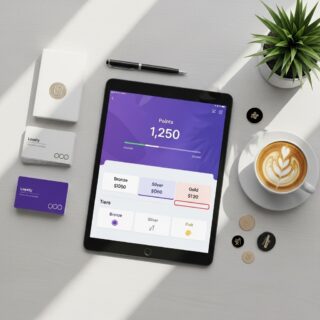 It’s not just about rewarding people for turning up. It’s about weaving loyalty into your stock planning, product strategy, and events calendar: